
Table of Contents
- Why Regular Exterior Glass Maintenance Matters More Than You Think
- How Often to Clean Exterior Windows: A Climate-Based Schedule
- Exterior Window Cleaning Tips That Save Time and Prevent Damage
- How to Prevent Hard Water Stains on Glass
- Safe Glass Cleaning Tools and Solutions for Every Surface
- Inspecting Seals, Frames, and Hardware During Maintenance
- Safety Guidance for Upper Floors and Difficult Access
- Frequently Asked Questions
Last Updated: October 20, 2026
Why Regular Exterior Glass Maintenance Matters More Than You Think
Exterior glass maintenance is the routine care of the outside surfaces of your windows, including cleaning, inspection, and protection.
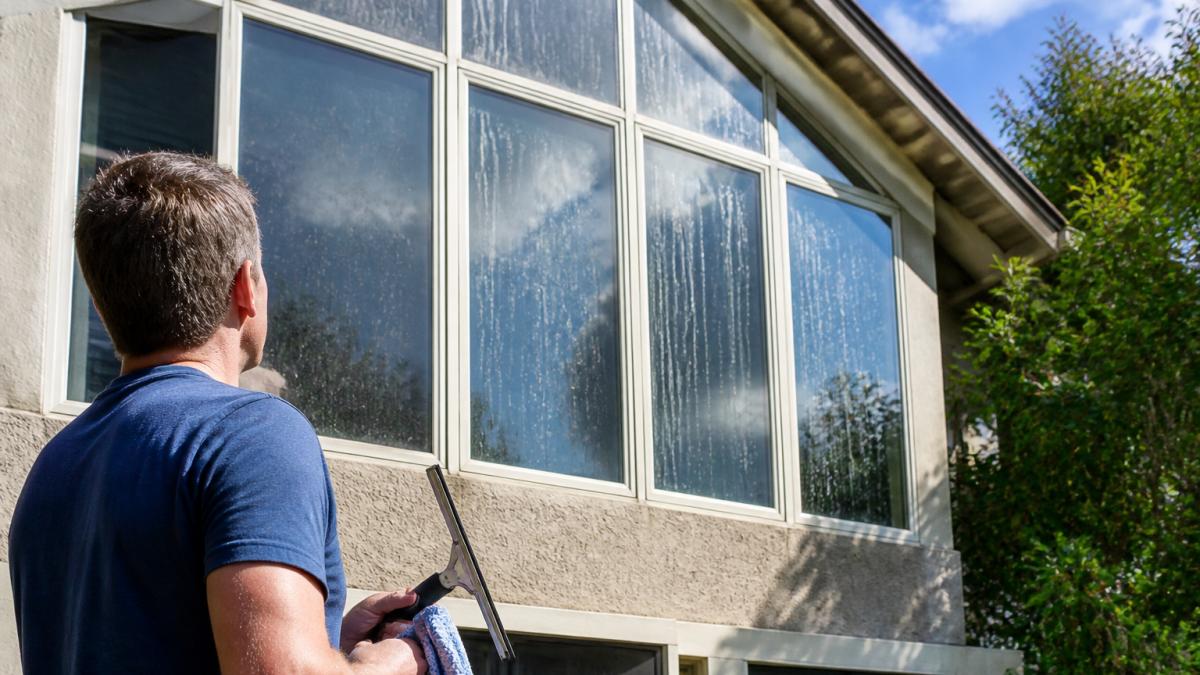
Here is the part most guides get wrong: they sell cleaning as a cosmetic service. Sun, salt air, dust, pollen, and hard water all attack it daily.
The results show up fast. Cloudy panes cut natural light. Streaked glass drags down curb appeal and property value.
Below, we break down the real costs of neglect, a cleaning schedule built around your climate, and the steps that protect your windows for years.
The Hidden Costs of Neglecting Your Windows
Dirt is the visible problem. Glass degradation is the expensive one.
Dust, grime, and pollutants bond to window surfaces over time. Add moisture and sun, and that film starts to etch the glass itself. Mineral deposits from sprinklers do the same thing, only faster.
What most people miss is that the damage spreads beyond the pane:
- Glass deterioration: etched spots and oxidation become permanent
- Window seals: trapped grit and moisture break down seal performance
- Window frames: dirt holds water against wood and metal, causing rot and corrosion
- Costly repairs: replacing sealed units costs far more than routine cleaning
The most common mistake is waiting until windows look bad. By then, hard-water etching may already be permanent. Glass that feels slightly rough after cleaning is already damaged.
How Often to Clean Exterior Windows: A Climate-Based Schedule
Most homes need exterior window cleaning every two to four months. Your exact frequency depends on climate, exposure, and nearby trees or construction. A fixed calendar rarely fits: a coastal home and an inland home a few miles apart can need very different schedules. The table below sets a baseline, then the sections after it explain how to adjust for the specific exposures that drive buildup.
Coastal, Urban, and Inland Cleaning Frequencies
| Environment | Main Threats | Recommended Frequency |
|---|---|---|
| Coastal | Salt spray, wind-blown sand, moisture | Every 4-6 weeks |
| Urban or near highways | Dust, exhaust film, pollutants | Every 6-8 weeks |
| Inland suburban | Dust, pollen, sprinkler spray | Every 2-3 months |
| Wooded lots | Sap, pollen, bird droppings | Every 2-3 months |
| New construction nearby | Cement dust, grit | Monthly until work ends |
Salt air is the toughest. It leaves a film that holds moisture against the glass and hardware. Left alone, that film speeds up oxidation on frames and seals. Coastal schedules are shorter because salt is hygroscopic: it pulls moisture out of the air and keeps the glass wetter longer, which is exactly the condition that lets mineral and salt deposits bond.
Inland homes deal with a different enemy: hard water from sprinklers and irrigation. We cover that below.
Adjusting the Schedule for Hard Water and Irrigation
If your sprinklers hit the glass, treat the schedule as shorter than the table suggests. Hard water leaves calcium and magnesium behind every time it dries on the pane, and fresh deposits come off easily while old ones do not. Homes on well water or in areas with high mineral content should plan on cleaning lower panes and any glass in the sprinkler arc every four to six weeks during irrigation season, even if the rest of the house stays on a two- to three-month cycle.
Seasonal and Event-Driven Triggers
Beyond the baseline, watch for events that reset the clock:
- Pollen season: a yellow-green film that rain does not fully rinse off usually means a cleaning is due within a few weeks.
- Construction or road work nearby: cement dust and grit are abrasive and alkaline; clean monthly until the work ends, and rinse siding and plants afterward.
- Storms and wind events: salt spray after coastal storms and dust after dry, windy periods both justify an extra visit.
- Tree sap and bird droppings: these are acidic and bond quickly; spot-clean within days rather than waiting for the next scheduled visit.
Set your schedule by the fastest-failing exposure on the property, not the average. The side facing the coast, the highway, or the sprinkler head usually needs attention first, and cleaning that elevation on a shorter cycle protects the glass without paying for a full-house visit every time.
A practical pattern many homeowners settle into is a full exterior cleaning two to four times a year, plus targeted spot-cleaning of the hardest-hit elevations between visits. That keeps the glass ahead of bonding damage without turning maintenance into a monthly chore.
Exterior Window Cleaning Tips That Save Time and Prevent Damage
Start with the right order of operations. Rinse loose dirt first, work top to bottom, and never scrub dry glass. Those three habits prevent most scratches and streaks.
A few more exterior window cleaning tips that save real time:
- Clean on a cloudy day. Direct sun dries solution too fast and leaves streaks.
- Use a squeegee, not paper towels. Fewer passes, cleaner glass.
- Rinse plants and siding below your windows afterward. Soap residue dulls both.
- Check the forecast. Rain within a few hours wastes the whole job.
Add a coat of rain-repellent treatment after each cleaning. Water sheets off instead of pooling, which slows mineral buildup and keeps glass clearer between visits.
How to Prevent Hard Water Stains on Glass
Hard water stains on glass form when water evaporates and leaves calcium and magnesium behind. Stop the water from drying in place, and you stop most stains.
Prevention beats removal every time:
- Redirect sprinklers. Aim heads away from windows and siding.
- Dry after rain or irrigation. A quick squeegee pass on lower panes helps.
- Wash more often in hard-water areas. Fresh deposits come off easily; old ones do not.
- Apply a glass sealant. A hydrophobic coating slows mineral bonding.
- Act fast on new spots. Vinegar and water lift fresh deposits.
Once stains feel rough to the touch, the minerals have bonded to the glass. That is etching, and it needs professional polishing, not a stronger cleaner.
Safe Glass Cleaning Tools and Solutions for Every Surface
Match your tools and solutions to the glass type. The wrong combination can scratch coatings or leave residue that attracts more dirt. The process below works for plain exterior glass first, then the glass-type notes explain where to change it.
A Safe Step-by-Step Exterior Cleaning Process
- Rinse loose dirt first. A hose or low-pressure spray knocks off grit before any contact, which is the single biggest scratch-prevention step.
- Work top to bottom. Gravity carries dirty water down; cleaning upward just re-soils the panes you already finished.
- Never scrub dry glass. Dry grit acts like sandpaper. Keep the surface wet with a mild soap solution throughout.
- Wash with a squeegee or microfiber. A squeegee removes solution in fewer passes and leaves less streaking than paper towels.
- Rinse plants and siding below the windows. Soap residue dulls both, and runoff concentrates at the base of the wall.
- Dry edges and frames. Standing water at the frame and sill is what drives rot and corrosion, so wipe the edges rather than letting them air-dry.
A few more exterior window cleaning tips that save real time:
- Clean on a cloudy day. Direct sun dries solution too fast and leaves streaks.
- Check the forecast. Rain within a few hours wastes the whole job.
- Clean screens and tracks on the same visit. Dirt there ends up back on the glass.
Glass Types, Coatings, and Manufacturer Care
Plain exterior glass handles a squeegee, a microfiber cloth, and a mild soap solution. Other glass types need a gentler approach:
- Low-emissivity and other coated glass: harsh cleaners and abrasive pads can damage the factory coating. Use mild soap and water, avoid ammonia-based products, and follow the manufacturer’s care guidance.
- Tinted and film-covered glass: skip ammonia-based cleaners, which can cloud the film. Test any new product on a small corner pane first.
- Tempered glass: durable, but avoid abrasive powders that dull the surface over time.
- Laminated glass: the plastic interlayer is sensitive to heat and harsh chemicals; keep solutions mild and avoid prolonged soaking at the edges.
- Insulated glass units: clean the exterior normally, but never drill or probe weep holes or seals to “drain” fogging; that is a replacement issue, not a cleaning one.
When in doubt, the manufacturer’s care guidance outranks any general rule. Coatings vary by product, and a cleaner that is safe on one brand’s low-e glass may not be safe on another’s.
Safety comes first on the solutions side:
- Never mix ammonia and bleach. The fumes are toxic (Mass casualties from acute inhalation of chloramine gas).
- Skip abrasive pads and powders. They scratch glass and frames.
- Avoid ammonia-based cleaners on tinted film.
- Test any new product on a small corner pane first.
U.S. Environmental Protection Agency guidance on safe cleaning product use is a good reference for handling and storing cleaners safely at home.
The most common coating damage we see comes from two habits: scrubbing dry glass and reaching for a stronger cleaner when a spot will not lift. Both attack the surface layer. If a spot resists mild soap and water, stop and identify it rather than escalating the chemistry.
Inspecting Seals, Frames, and Hardware During Maintenance
Cleaning is also your best chance to inspect. You are already at every window, so use the visit to check the parts that fail silently.
Run through this checklist each time:
- Seals: look for cracks, gaps, or fogging between panes
- Frames: check for rot, peeling paint, or corrosion
- Drainage: confirm weep holes are clear and water exits
- Hardware: test locks, hinges, and screens for smooth operation
- Caulking: look for gaps where water can enter
Fogging between panes means the seal has failed. That is a replacement issue, not a cleaning one. Catching it early keeps moisture from spreading to the frame and wall.
Safety Guidance for Upper Floors and Difficult Access
Never lean out or stand on furniture to reach high glass. Falls from ladders cause thousands of emergency room visits every year, according to U.S. Consumer Product Safety Commission data on ladder injuries.
For second-story and higher windows, use these rules:
- Keep ladders on level ground and three points of contact at all times.
- Use extension poles for high panes instead of stretching.
- Never clean windows in high wind or wet conditions.
- Hire pros for anything above your safe reach.
This is where professional cleaning earns its keep. Our technicians train in classroom and on-the-job settings, and we hold monthly safety meetings.
The safest high-access cleaning is the one you do not attempt yourself. Extension poles and trained technicians handle upper floors without ladders against your siding or risk to you.
Exterior glass maintenance only works when it happens on schedule, and most homeowners simply cannot keep up with it. That is where we come in.
Frequently Asked Questions
How often should I clean windows outside?
Most homes need exterior glass cleaned every 2 to 4 months. Coastal areas with salt spray and high humidity may require monthly cleanings, while inland locations with less pollution can stretch to quarterly. Commercial storefronts often benefit from monthly service to maintain brand image. A simple rule: if you can see a dull film or water spots from inside, it’s time to clean. Regular exterior glass maintenance prevents buildup that becomes harder to remove over time.
Can dirt and mineral deposits damage exterior glass?
Yes. Airborne pollutants, dust, and hard-water minerals bond to glass and gradually etch the surface. Over months or years, this etching becomes permanent and can only be fixed by polishing or replacement. Mineral deposits from sprinklers are especially damaging in sunny climates. Regular cleaning removes contaminants before they bond, preserving glass durability and avoiding costly repairs. Inspect your windows seasonally for cloudy patches or rough texture.
What is the safest way to clean exterior windows?
Use a stable ladder on level ground, never overreach, and keep both feet on the ladder. For upper floors, consider a water-fed pole system or hire a professional with the right equipment. Avoid cleaning in direct sunlight or high winds. Wear non-slip shoes and use a tool belt to avoid trips up and down. For windows above the first floor, professional service is often the safest and most effective choice, especially for buildings up to four stories.
Is Dawn dish soap good for washing outside windows?
Dawn and similar dish soaps cut grease but can leave a residue that attracts dirt and causes streaks. They also strip any protective coatings on the glass. A better choice is a dedicated window cleaning solution or a mild mixture of water and white vinegar. For hard-water stains, use a commercial mineral remover. Always test any solution on a small corner first. Safe glass cleaning tools and solutions matter more than brand loyalty.