
Table of Contents
- Why Spring and Fall Are Ideal for Residential Window Cleaning
- How Weather Conditions Affect Window Streaks and Drying Time
- Removing Seasonal Buildup: Pollen, Sap, and Salt Residue
- How Often Should You Clean House Windows
- Does Rain Affect Window Cleaning Results
- Creating Your Window Cleaning Maintenance Schedule
- Preparing Windows for Winter and Summer Extremes
- Conclusion
- Frequently Asked Questions
Last Updated: September 3, 2026
Why Spring and Fall Are Ideal for Residential Window Cleaning
Spring and fall consistently deliver the best results for residential window cleaning. At Simply Superior Window Cleaning, we’ve found that these seasons create the perfect combination of mild temperatures, lower humidity, and minimal environmental interference. Spring removes winter grime accumulated over months of cold weather, while fall clears summer debris like pollen and tree sap and prepares windows for harsh winter conditions.
Spring typically offers temperatures between 55-70°F, ideal for even drying without rapid evaporation (noaa.gov). Fall conditions are similarly favorable, usually ranging from 50-65°F. Both seasons have moderate humidity levels that prevent streaking. Summer heat accelerates evaporation, leaving mineral deposits behind, while winter cold slows drying and can damage windows if water freezes in frames.
After winter, windows collect months of salt residue, dust, and grime that compromises appearance and light transmission. A spring deep clean restores clarity and curb appeal. Fall cleaning addresses summer accumulation and protects window frames from freeze-thaw cycles that damage seals over winter.
Schedule your spring cleaning in March or early April when temperatures stabilize above 50°F consistently. This gives you the full benefit of mild weather without late winter unpredictability.
How Weather Conditions Affect Window Streaks and Drying Time
Temperature, humidity, and direct sunlight determine whether freshly cleaned windows look pristine or streaky. Ideal cleaning temperatures fall between 50-75°F, allowing water to evaporate at a steady, predictable rate (the EPA). Below 50°F, evaporation slows dramatically and water can freeze in frames or leave mineral deposits. Above 75°F, especially in direct sunlight, solutions evaporate too quickly, creating streaks as the cleaning agent dries faster than you can remove it.
Humidity levels between 30-60% provide optimal conditions (ashrae.org). High humidity slows evaporation and increases contamination risk, while low humidity below 30% accelerates evaporation so much that streaks form almost immediately. Direct sunlight creates uneven drying, which is why professional cleaners avoid peak sunlight hours (10 AM to 3 PM). Early morning or late afternoon cleaning allows more uniform drying.
Rain within 24 hours of cleaning compromises results by introducing new mineral deposits and dust. Wind above 15 mph blows dust and pollen onto wet windows, defeating the cleaning purpose.
The sweet spot for residential [window cleaning](/why-professional-window-cleaning-lasts-longer/) is a mild day (50-70°F) with moderate humidity (40-50%), no direct sun on your windows, and clear weather for at least 24 hours after cleaning.
Removing Seasonal Buildup: Pollen, Sap, and Salt Residue
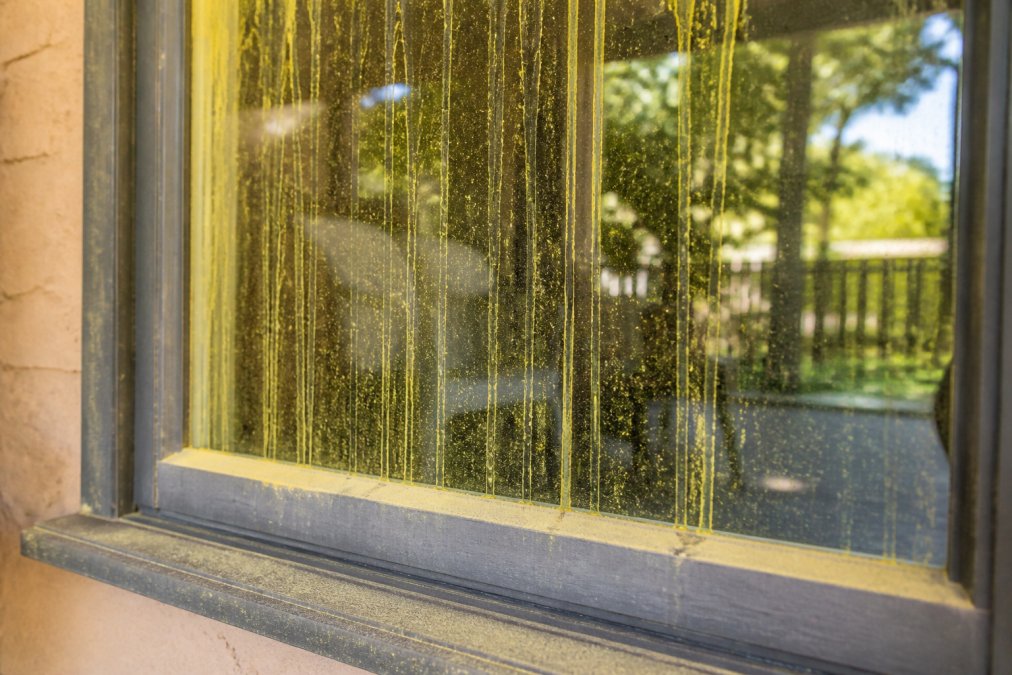
Spring pollen accumulation is the most visible seasonal challenge. Trees and grasses release pollen from February through May, sticking to glass through moisture and oils. Spring cleaning removes this pollen layer and restores light transmission.
Tree sap is sticky, acidic, and hardens over time. Summer is peak sap season because heat causes trees to release more sap. Fall cleaning is critical for removing summer sap buildup before winter freeze-thaw cycles damage window frames.
Salt residue accumulates year-round but is most problematic in winter and early spring, especially in coastal areas or regions using road salt for de-icing. Salt is corrosive and damages window frames and seals over time. Winter and early spring cleaning removes salt deposits before they cause structural damage.
Hard water stains are mineral deposits left behind when water evaporates. Spring and fall cleaning removes these stains before they harden and become nearly impossible to remove. Simply Superior Window Cleaning uses appropriate solutions and techniques for each type of residue, ensuring complete removal without damaging window frames or seals.
How Often Should You Clean House Windows
Most homeowners benefit from cleaning windows 2-4 times per year, depending on environment, window exposure, and maintenance goals. Two cleanings per year (spring and fall) is the minimum for most residential properties. Quarterly cleaning (every three months) provides noticeably better results if maximum clarity is your priority.
Increased frequency is necessary for high-exposure environments. Homes near trees accumulate sap and pollen faster. Coastal properties need more frequent cleaning because salt spray deposits continuously. Homes near busy roads accumulate dust and pollution faster. These situations may justify cleaning every 4-6 weeks during peak seasons.
The practical approach is to assess windows quarterly and clean when visible buildup affects light transmission or appearance. Scheduling around seasonal transitions (March/April for spring, September/October for fall) works well for most homeowners.
Professional maintenance contracts with Simply Superior Window Cleaning offer flexibility. You can schedule regular cleanings on a frequency matching your home’s needs, adjusting seasonally if necessary. This removes guesswork and ensures windows stay clear without over-cleaning or excessive buildup.
Neglecting window cleaning for more than six months allows mineral deposits and sap to harden, making removal increasingly difficult and expensive. Preventative care through regular cleaning costs less than restoration cleaning after severe buildup.
Does Rain Affect Window Cleaning Results
Rain timing relative to your cleaning matters significantly. Rain immediately after cleaning can undo results, but rain before cleaning can help prepare windows by removing loose dust and pollen.
Rain within 24 hours after cleaning is problematic. Fresh rainwater carries dust, pollen, and minerals from the atmosphere. As this rain dries on freshly cleaned windows, it deposits new contaminants. Light rain causes minimal damage, but heavy rain significantly compromises results. This is why professional window cleaners check weather forecasts and often reschedule if rain is likely within 12-24 hours.
The impact depends on local water quality. Hard water (high mineral content) leaves visible spots as rain dries. Coastal areas experience salt rain that’s particularly problematic because salt deposits are corrosive and visible.
Schedule cleaning when the forecast shows clear weather for at least 24 hours afterward. If unexpected rain occurs after cleaning, light rain causes minimal damage. Professional services like Simply Superior Window Cleaning factor weather into scheduling and confirm favorable conditions before cleaning.
Creating Your Window Cleaning Maintenance Schedule
A structured maintenance schedule ensures windows stay clean year-round without constant attention. Start with your seasonal baseline: spring cleaning in March/April and fall cleaning in September/October. Mark these on your calendar as non-negotiable maintenance.
Add quarterly assessments between scheduled cleanings. In early January and early July, spend five minutes examining your windows from inside and outside. Note any visible pollen, sap, dust, or water spots. If buildup is noticeable, schedule an additional cleaning. If windows are still clear, skip the extra cleaning.
Adjust frequency based on observations. If your spring assessment shows significant winter grime, move spring cleaning earlier. If fall assessment shows heavy summer sap or pollen, schedule fall cleaning earlier in September.
| Environment | Recommended Frequency | Best Timing |
|---|---|---|
| Tree-heavy property | 4-6 times yearly | After pollen season, before winter |
| Coastal area | 4-6 times yearly | Monthly during salt season |
| Urban/high-traffic area | 3-4 times yearly | Spring, summer, fall, winter |
| Sheltered suburban property | 2-3 times yearly | Spring and fall, optional summer |
| Rural/low-exposure property | 2 times yearly | Spring and fall |
Document cleaning dates and observations. Over time, this record shows your home’s actual cleaning needs and helps optimize your schedule.
Professional maintenance contracts simplify this process. Simply Superior Window Cleaning establishes a customized schedule based on your property’s specific needs and handles seasonal adjustments.
Set calendar reminders two weeks before scheduled cleaning dates. This gives time to confirm appointments and allows your service provider to adjust scheduling if weather forecasts look problematic.
Preparing Windows for Winter and Summer Extremes
Winter preparation focuses on protecting window frames and seals from freeze-thaw damage. Clean windows thoroughly in late fall (October/November) to remove salt residue, sap, and mineral deposits. These contaminants are corrosive and cause accelerated damage during freeze-thaw cycles. Inspect window seals and caulking for cracks or deterioration. Damaged seals allow water infiltration, which freezes and expands, causing further damage.
Check that windows operate smoothly before winter arrives. Apply a thin coat of protective film or wax to wooden frames to prevent moisture absorption and wood rot. Metal frames benefit from inspection for rust.
Summer preparation is less intensive. Clean windows in late spring (May/June) to remove spring pollen and prepare for summer heat. A thorough spring cleaning helps you assess frame condition before summer stress. If you notice deterioration, summer is the time to address it while contractors have better weather for repairs.
Both seasons benefit from professional inspection. Simply Superior Window Cleaning provides more than cleaning; our technicians assess window condition, identify potential issues, and recommend maintenance that prevents costly damage.
The practical timeline:
- September/October: Fall cleaning and winter preparation assessment
- November/December: Monitor windows during early winter; address issues identified in fall
- March/April: Spring cleaning and summer preparation
- May/June: Monitor windows during early summer; address issues identified in spring
This approach ensures windows are protected year-round and last significantly longer than windows cleaned reactively.
Conclusion
Spring and fall are the best times for residential window cleaning, when mild temperatures, moderate humidity, and favorable weather create ideal conditions for streak-free results. Spring removes winter grime and prepares your home for warmer months. Fall clears summer debris and protects windows from winter damage. A consistent maintenance schedule, cleaning at least twice yearly and adjusting frequency based on your environment, keeps windows clear and extends their lifespan.
Professional window cleaning removes guesswork and ensures thorough results without risk of damage to frames or seals. Simply Superior Window Cleaning specializes in residential window maintenance, offering flexible scheduling, expert assessment of your specific needs, and thorough cleaning that protects your investment. Our technicians understand how seasonal conditions affect windows and time cleanings for optimal results. Schedule a free quote today and let us create a maintenance plan tailored to your home’s needs.
Keeping windows clean year-round protects appearance and performance. Seasonal buildup damages frames and seals, reducing energy efficiency and shortening window lifespan. Simply Superior Window Cleaning provides professional expertise and consistent maintenance that prevents these problems. With flexible scheduling, virtual quotes, and technicians trained in proper techniques for every window type, we ensure your windows stay pristine without hassle. Get started with Simply Superior Window Cleaning and enjoy clear, well-maintained windows that enhance your home’s value and curb appeal.
Frequently Asked Questions
What month is best to clean residential windows?
Spring (March through May) and fall (September through November) are the optimal months for residential window cleaning. These seasons offer mild temperatures, lower humidity, and minimal direct sunlight, which prevent cleaning solutions from evaporating too quickly and allow for streak-free results. Spring cleaning removes winter grime and pollen accumulation, while fall cleaning prepares windows for harsh winter conditions ahead.
How often should you clean house windows?
Most homeowners benefit from professional residential window cleaning two to four times per year. High-traffic areas, homes near trees, or properties in dusty climates may need quarterly cleaning. Coastal regions with salt spray exposure may require more frequent cleaning. A consistent window cleaning maintenance schedule prevents hard water stains and environmental damage while maintaining curb appeal year-round.
Does rain affect window cleaning results?
Yes, rain significantly impacts window cleaning effectiveness. Rain immediately after cleaning can wash away the cleaning solution and streak the glass. Ideally, schedule window cleaning on dry days with low humidity and mild temperatures. Rain after cleaning can also deposit new debris and mineral deposits on freshly cleaned glass. Professional services like Simply Superior Window Cleaning factor weather into scheduling and confirm favorable conditions before cleaning.
Is it worth getting windows cleaned during winter months?
Winter cleaning can be worthwhile if you prepared windows in fall, but cold temperatures slow evaporation. Winter grime, salt buildup, and reduced UV exposure create less urgent cleaning needs compared to spring and fall. However, if your windows have heavy debris or salt accumulation from coastal conditions, professional cleaning in early winter prevents damage to window frame integrity during freeze-thaw cycles.
This article was written using GrandRanker